February 13, 2026
Uncategorized

Swaraj, Sustainability, and the Digital: Reflections from the Learning Societies UnConference 2025

Each year, the Learning Societies UnConference (LSUC) convenes a diverse network of individuals and communities who challenge dominant paradigms of education, development, and social organisation. Far from being a conventional event, LSUC seeks to open a space to imagine and resist the monoculture of thought in order to rethink and imagine how institutionalised schooling, consumer-driven […]

Read More
Uncategorized

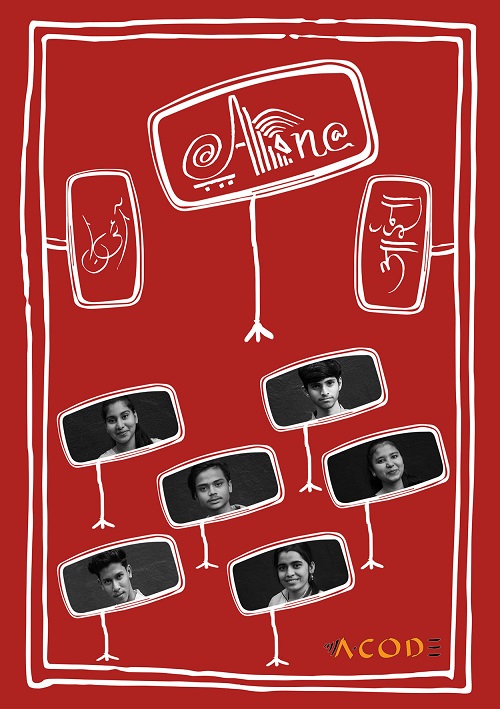
Bazm-e-Sukhan at Seven: Culture, Digital Futures, and the Ethics of Continuity

Bazm-e-Sukhan is nurtured under A-CODE (Art & Collective for Digital Empowerment), an initiative led by Centre for Development Policy & Practice (CDPP) in partnership with the Digital Empowerment Foundation (DEF) that foregrounds community knowledge systems, cultural agency, and ethical digital inclusion. A-CODE situates digital transformation within lived social and cultural contexts, emphasising that technology must […]

Read More
Uncategorized

CSO Consultation on Misinformation and Digital Wrongs in Rural India

From Digital Wrongs to Rights: The Fallacies of Misinformation/Disinformation and Cyber Fraud in Rural India Introduction India’s digital landscape reveals a stark divide between rural and urban areas, exacerbating vulnerabilities to misinformation and disinformation in underserved communities. While urban India boasts 67% internet penetration, only 31% of rural residents are online, according to the India […]

Read More
Uncategorized

Cyber Vulnerability and its Challenges in Rural India

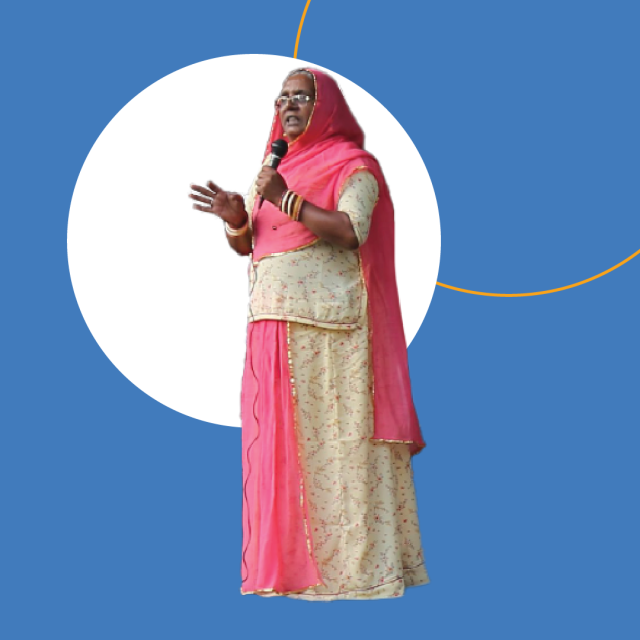
Misinformation and cyber fraud represent increasingly pervasive threats in rural India, where digital literacy remains limited, and access to secure financial platforms is still in its developmental stages. The intersection of technology and rural socio-economic conditions has led to a growing number of vulnerable populations falling victim to fraud. This case study focuses on Yogita […]

Read More
Uncategorized

Fraud in DayLight

Nonar, a small village in Sakaldhia Block of Chandauli district, Uttar Pradesh, represents the socio-economic realities of much of rural India. The population is predominantly engaged in agricultural activities and daily wage labour. Many households in Nonar, like that of Reshma, are dependent on the income of male family members who work in urban centres […]

Read More
Uncategorized

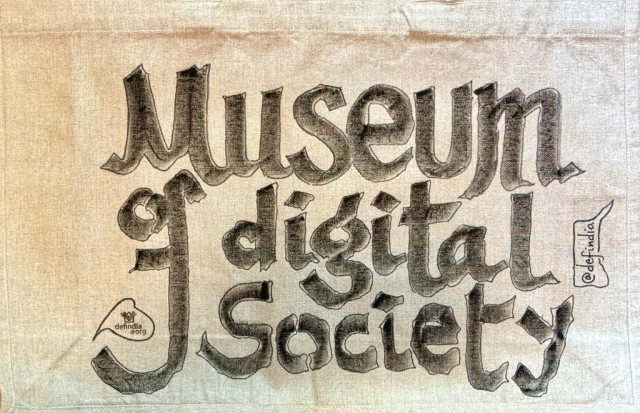
Museum of Digital Society

Learning to Serve Meaningfully Digital is a 21st Century tool of communication, media, business, governance, activism and social norms. Digital isn’t merely technology—it’s life, a medium, innovation, and marketing. Yet, critical questions arise: who controls and benefits from this digital existence? Whose narratives remain unheard? However, the larger society is constantly being left out or […]

Read More
Uncategorized

Applications for the MIL Fact-Checking Course is Open Now!

We invite all SoochnaPreneurs to apply for a comprehensive Media Information and Literacy (MIL) course. This capacity-building program is designed to equip SPs with the knowledge and tools to tackle misinformation and disinformation in their local contexts. The course will help participants understand how to combat threats such as financial fraud, religious and cultural misinformation, and […]

Read More
Uncategorized

Unveiling Dalit Voice Web Portal

Dalit Voice was a political magazine based in Bangalore, India, known for its forthright advocacy on behalf of persecuted nationalities denied human rights. Founded in 1981 by VT Rajshekar, a former journalist with the Indian Express, Dalit Voice became the largest circulated Dalit journal in India. ‘Unveiling Dalit Voice Web Portal’ was a meet of […]

Read More
Uncategorized

Digital Artisans of India Award 2023-24

India’s artisan community, numbering over 200 million, surpasses the population of all but six countries worldwide. This vast republic of artisans constitutes a pillar of India’s cultural and economic heritage, enriching traditions through diverse crafts and practices. The handloom industry, with 23.77 lakh looms and employing 3,522,512 workers, predominantly women, underscores its significance as the […]

Read More