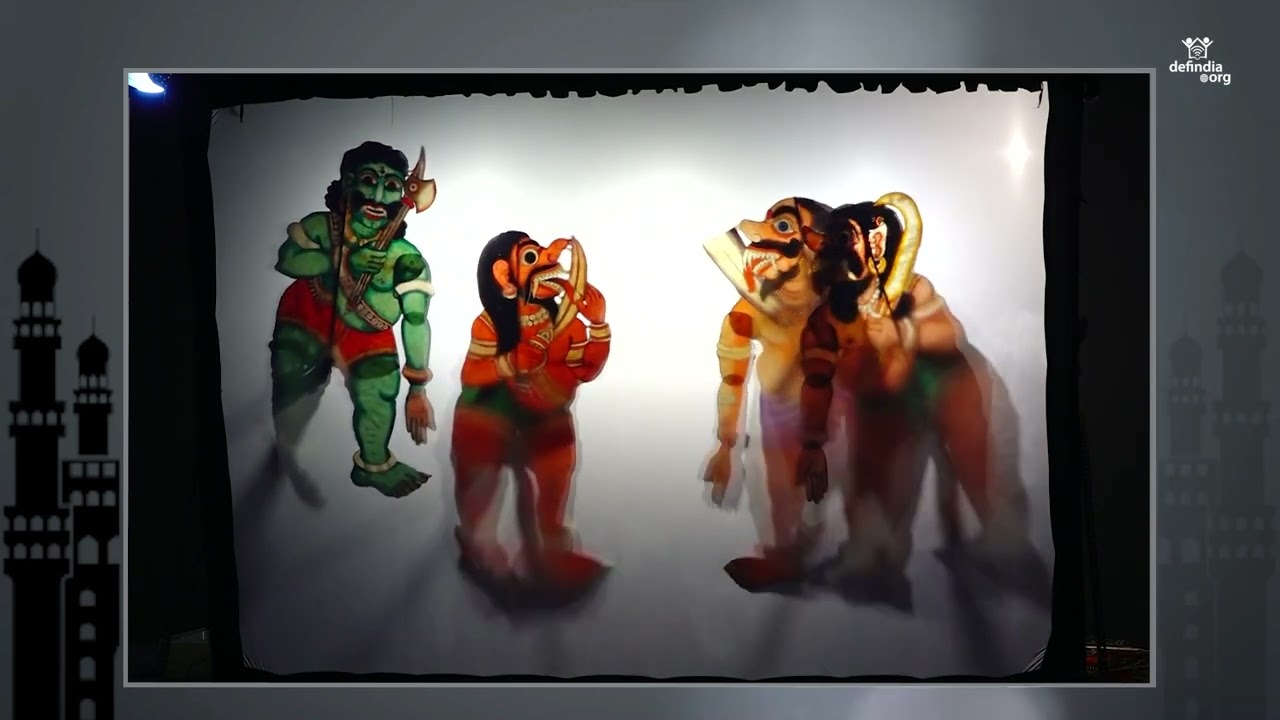

At the WSA global congress 2025, we witnessed the enchanting world of Tholu Bommalata, the traditional shadow leather puppetry of Andhra Pradesh, as showcased by Sindhe Siva. Hailing from Nimmalakunta, a village known for its mastery of this ancient art, Siva leads a team of 15 artisans in breathing new life into a centuries-old tradition. Rooted in mythology and crafted from translucent goat leather, these puppets are hand-painted with natural dyes and have long been used in storytelling performances that combine drama, dance, and light. Carrying forward the legacy of his award-winning father, Sindhe Siva has not only preserved the essence of Tholu Bommalata but also reimagined it, transforming it into contemporary art forms such as leather lampshades, wall decor, and modern puppetry installations. His innovative approach makes the art form accessible and relevant to today’s audiences, both in India and globally. At the Congress, visitors were captivated by the vibrant colours, intricate craftsmanship, and timeless stories illuminated through leather and light, celebrating the power of culture, creativity, and digital storytelling. Preserving the past. Inspiring the future.
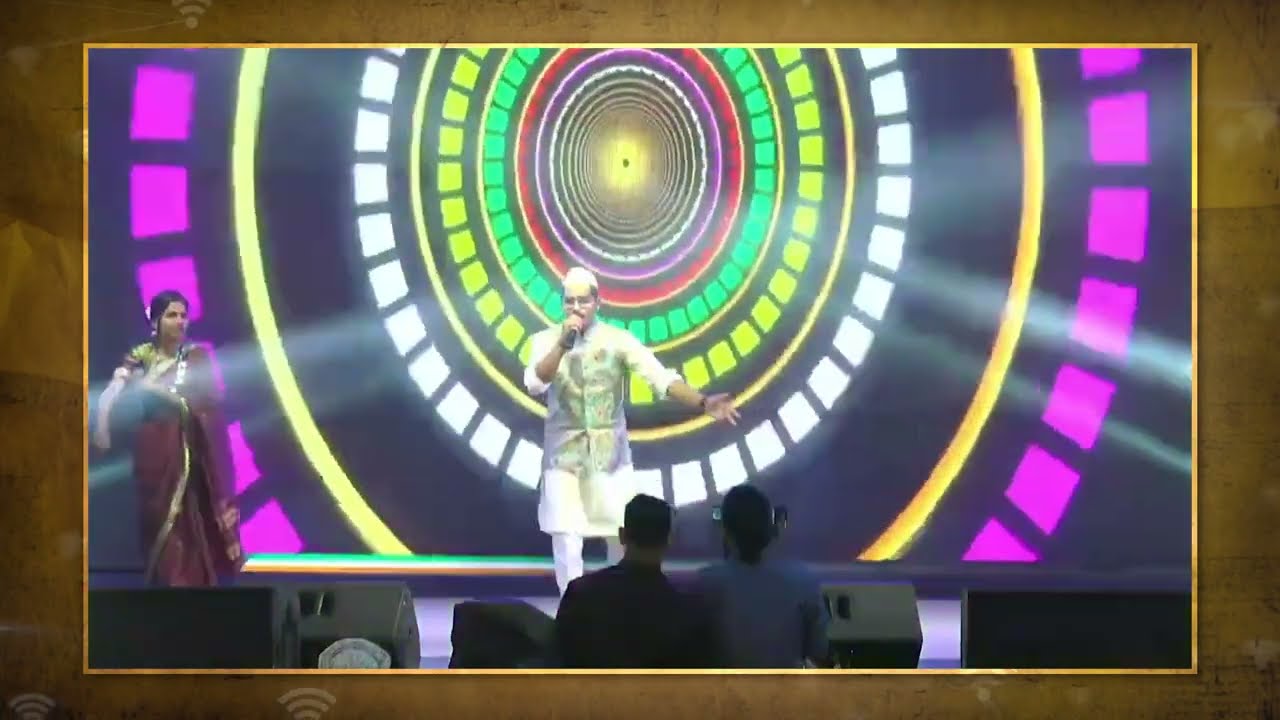
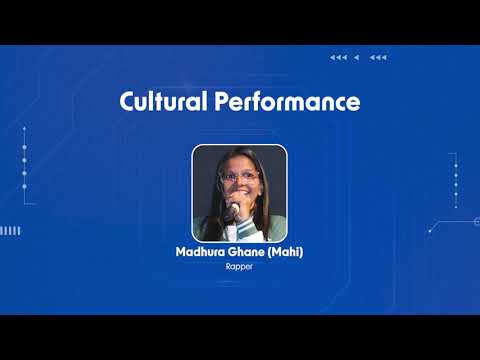
At the Digital Citizen Summit 2024, art became a powerful medium for social change through a compelling performance by Mahi G Rapper. Using rap as a form of expression rooted in lived experience, her performance brought urgent social realities to the forefront. Known for her sharp and socially conscious lyrics, Mahi G uses music to amplify voices that are often unheard. This special performance, inspired by the work of the Digital Empowerment Foundation, honoured grassroots individuals and organisations working across rural India while also acknowledging the deep inequalities they continue to face. Her verses addressed issues of digital exclusion, limited access to information and resources, and the everyday resilience of communities working towards empowerment. Drawing from the discussions at the summit and her close engagement with grassroots movements, the performance reflected the role of art in questioning systems and shaping public conversations. More than a musical act, the performance stood as a reminder of how creative expression can inspire awareness, participation, and action towards a more inclusive and digitally empowered future.
The Cultural Performance at the Digital Citizen Summit 2024 featured a Nukkad Natak by Navrang titled Tamasha. The street play focused on the issue of misinformation in rural areas and how it affects communities with limited access to reliable information. Using everyday situations, clear dialogue, and strong performances, the Natak showed how false or misleading information spreads easily in underserved regions. It highlighted the real consequences this has on people’s lives, from missed opportunities to exclusion from essential services. The story reflected familiar realities from rural India and pointed to the gaps in digital access and awareness that allow misinformation to grow. Tamasha was not just a performance but a moment for the audience to pause and think. It stressed the importance of digital literacy, access to trustworthy information, and community involvement in tackling misinformation. The play used street theatre in its most direct form, to inform, question, and start conversations. The message comes together in the final moments of the performance. We invite you to watch it and draw your own meaning.
In rural India, digital technology is becoming part of everyday life. This video captures that change through songs performed by villagers in a street theatre style, using music and storytelling to reflect on how times are changing. Through their lyrics, the performers talk about the need to keep up with the times, showing how smartphones, broadband, and digital tools are helping people access education, healthcare, and essential services. From learning basic English to using digital payments and finding health information, the songs draw from real experiences within the community. Rooted in local voices and familiar rhythms, the performance brings together tradition and change. It reflects the idea of a “Smart Village,” where embracing technology supports self-reliance, strengthens communities, and helps rural India move forward without being left behind.
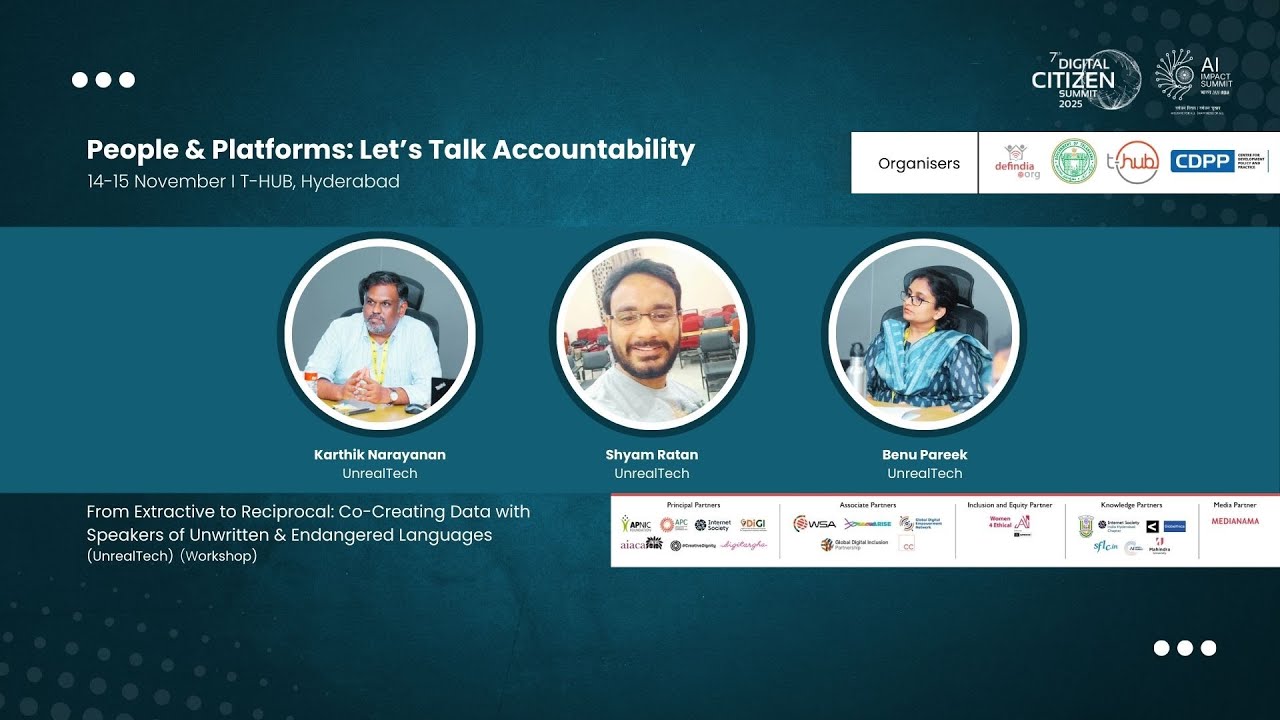
From Extractive to Reciprocal Co Creating Data with Speakers of Unwritten & Endangered Languages: This session looks at how language data for AI can move away from extractive practices towards more reciprocal and community-centred approaches, especially for unwritten, endangered, and minoritised languages. Using real-world examples and policy perspectives, the speakers discuss how language data is collected, managed, and monetised, and what this means for consent, ownership, transparency, and the rights of the communities whose languages are being used. The conversation places community agency at the centre of how language data should be governed. The session traces different models of data governance, ranging from corporate-led extraction to shared public systems and community-owned commons. It also introduces ethical principles such as the Four Rs: Respect, Relevance, Reciprocity, and Responsibility. By highlighting initiatives like BOLI and emerging global language data commons, the discussion makes the case for seeing language not just as data, but as a living knowledge system shaped by culture, identity, and collective rights.
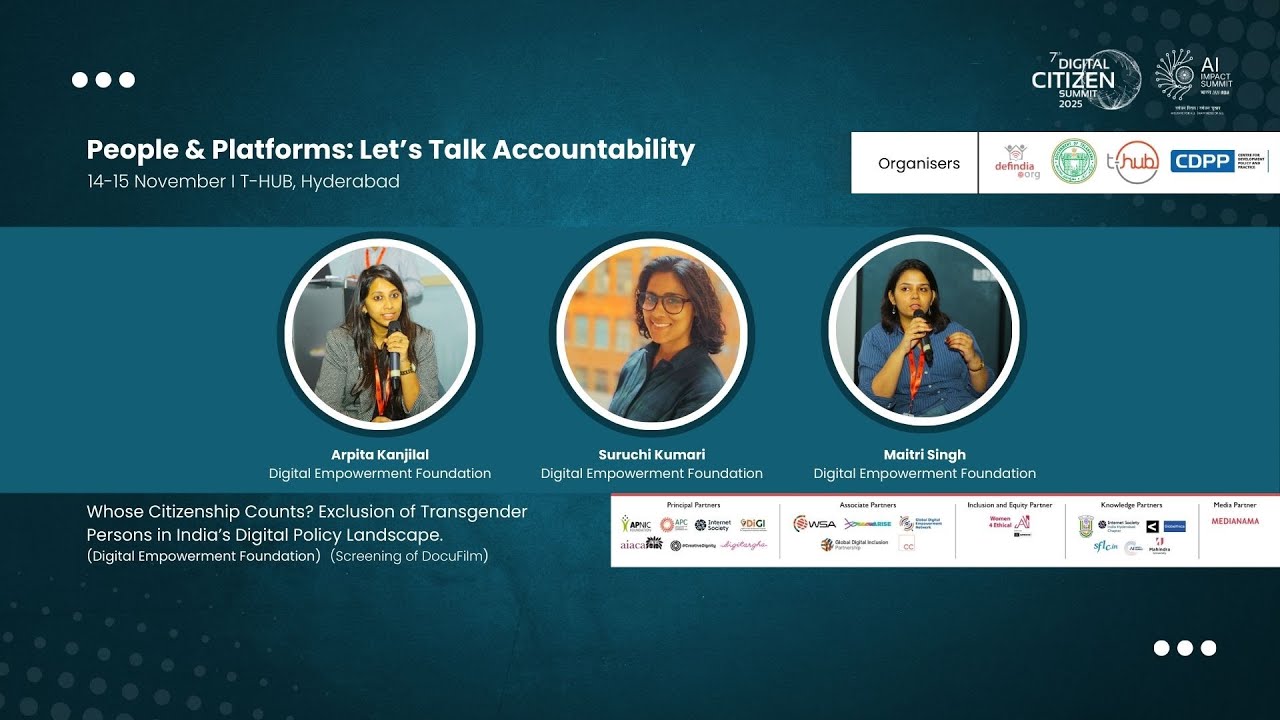
A documentary screening and discussion based on the study Whose Citizenship Counts?. ) The film looks at how India’s digital policies and systems affect transgender persons and other gender-diverse communities, and the barriers they face in accessing rights, services, and recognition. Through lived experiences and research insights, the documentary highlights gaps in digital identity systems and public services, raising questions around inclusion, access, and citizenship in an increasingly digital state. The discussion that follows invites reflection on how digital governance can be made more responsive to the realities of gender-diverse communities.
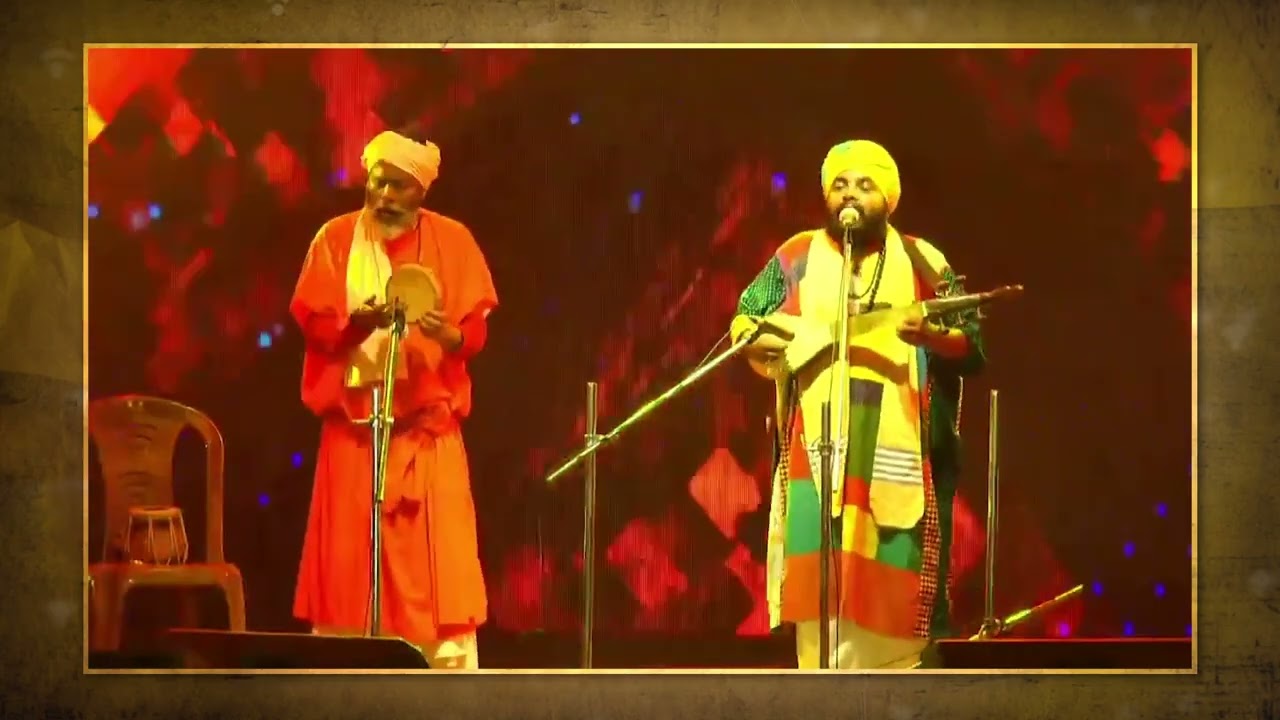
Programs like Art and Collective for Digital Empowerment play a crucial role in enhancing the reach and impact of artists and their work through digital means. By providing artists such as Goutam Das Baul and Swapan Das Bairagya, renowned Baul artists from Bolpur, West Bengal, with digital tools and platforms, these programs help preserve and propagate traditional art forms to a broader audience. Digital enablement allows artists to showcase their performances online, engage with global audiences, and participate in virtual events, thus overcoming geographical limitations. Additionally, digital literacy training and access to e-commerce platforms empower artists to monetize their work more effectively, ensuring sustainable livelihoods. Such initiatives not only foster cultural preservation but also drive rural entrepreneurship, creating a dynamic ecosystem where traditional art thrives alongside modern technology.
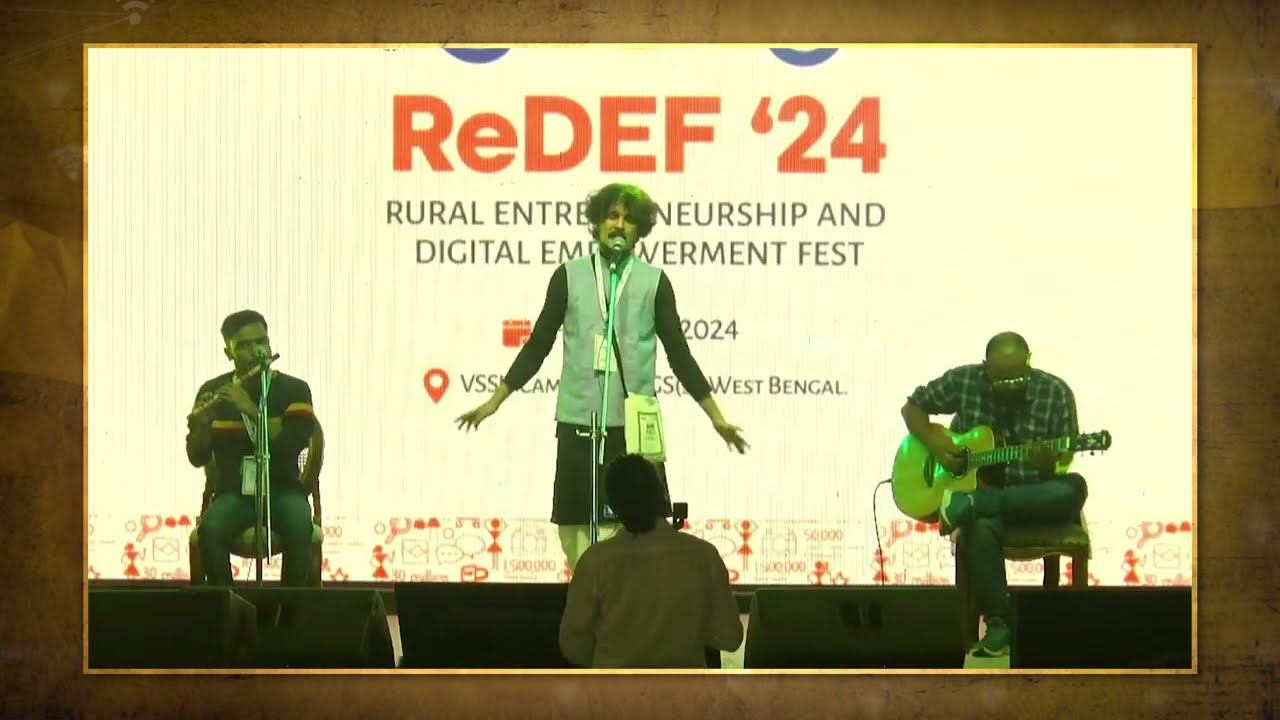
Programs like Art and Collective for Digital Empowerment significantly amplify the voices and impact of artists by leveraging digital technologies. For emerging talents like Madhura Ghane, known as Mahi G, whose debut track ‘Jungle Cha Raja’ marks the start of her journey to spread positive messages through music, and Rapboss Ajit Shelke, whose compositions highlight the struggles of farmers, digital enablement provides an essential platform. These programs equip artists with the skills and tools needed to navigate the digital landscape, allowing them to share their work on a global scale. By participating in initiatives such as ReDEF ‘24, artists can reach diverse audiences, engage in meaningful conversations, and foster social change through their art. Digital empowerment also facilitates easier access to online distribution channels and social media, enabling artists to build their brand, monetize their creations, and sustain their careers independently. Thus, these programs not only enhance cultural expression but also drive societal impact and economic opportunities for artists.
Programs like Art and Collective for Digital Empowerment play a pivotal role in enhancing the reach and influence of artists by utilizing digital technologies. When artists such as Riaz Ahmed, Arghadeep Barua, and Rupankar join forces to support initiatives like Studio Nilima, as they did at the Rural Entrepreneurship and Digital Empowerment Fest, the impact is profound. These programs provide artists with digital literacy, tools, and platforms to share their work beyond local boundaries, reaching global audiences. Digital enablement facilitates live streaming, online exhibitions, and virtual collaborations, thus amplifying their artistic voices and inspiring visions. Moreover, it helps artists monetize their craft through digital sales, crowdfunding, and virtual performances, creating sustainable livelihoods. By integrating traditional art with modern technology, these programs foster cultural preservation while driving social and economic empowerment, ensuring that the artists’ messages resonate widely and effectively.
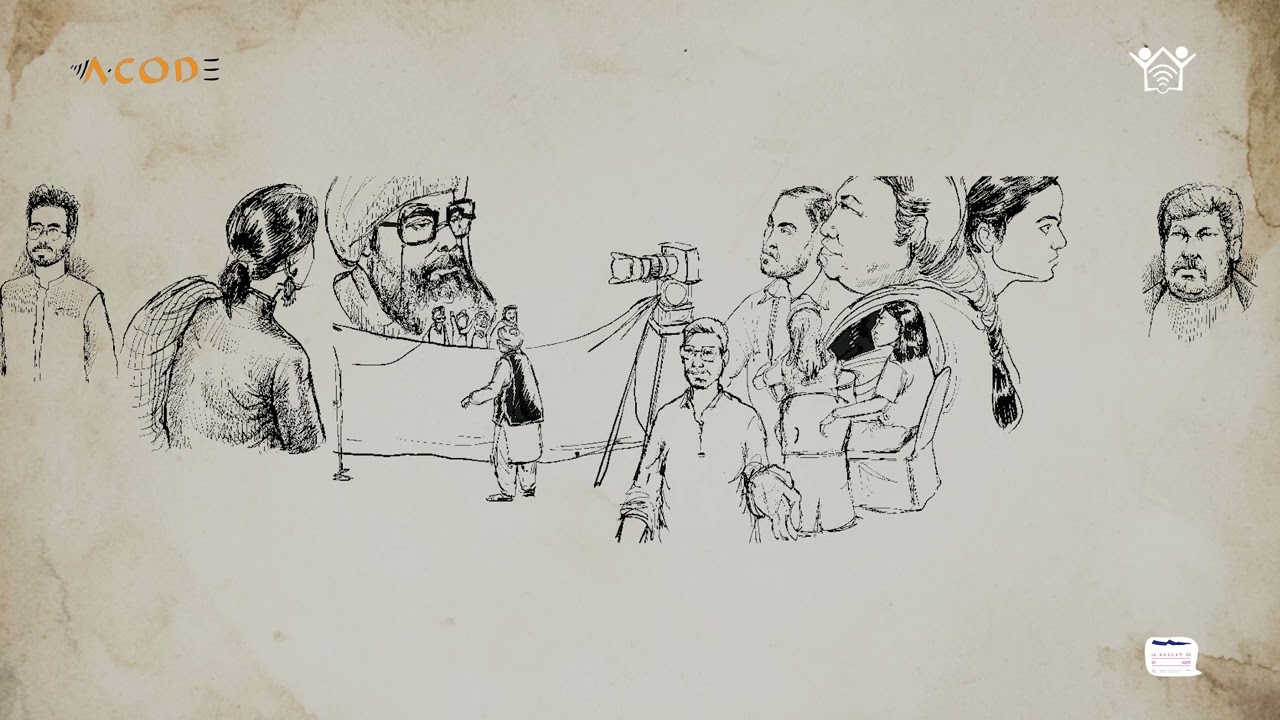
On the 23rd of November, A-CODE organized the ‘Festive Meet of Art and Collective for Digital Empowerment’ to provide a space of art and culture to amplify the voices of marginalised communities and raise issues of human rights. The event gave all the A-CODE members a platform to talk about their work and how they are changing their respective societies. The day event was filled with activities to know each other well and find ways to collaborate in the future. Further, the way forward was discussed with the members to have better clarity in navigating A-CODE.
Digital Empowerment Foundation, in collaboration with Barefoot College, organized trainings to introduce 52 participants on topics such as digital inclusion and data rights. The vast majority of participaints belong to the age group of 20 to 45 and are the community representatives of their blocks in Ajmer districts of Rajasthan. Before initiating the training, a baseline survey was conducted to know how much the participants knew about the topics. This was beneficial for both the students and the trainer, as it gave them a platform to interact with each other.
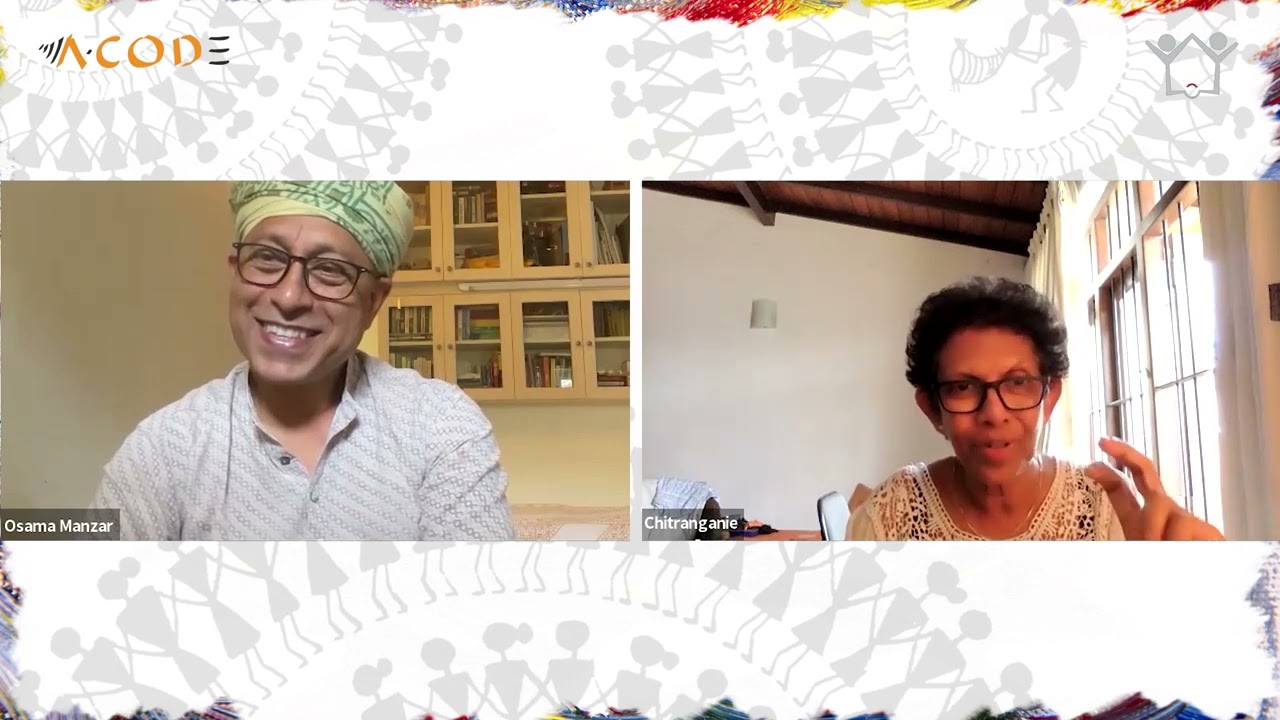
In the first episode of this season’s DEFDialogues in association with A-CODE we spoke with Ms. Chitranganie Mubarak, a digital society development expert from Sri Lanka who shed light on the massive economic crisis in her country and how people and civil society are protesting and fighting for change.
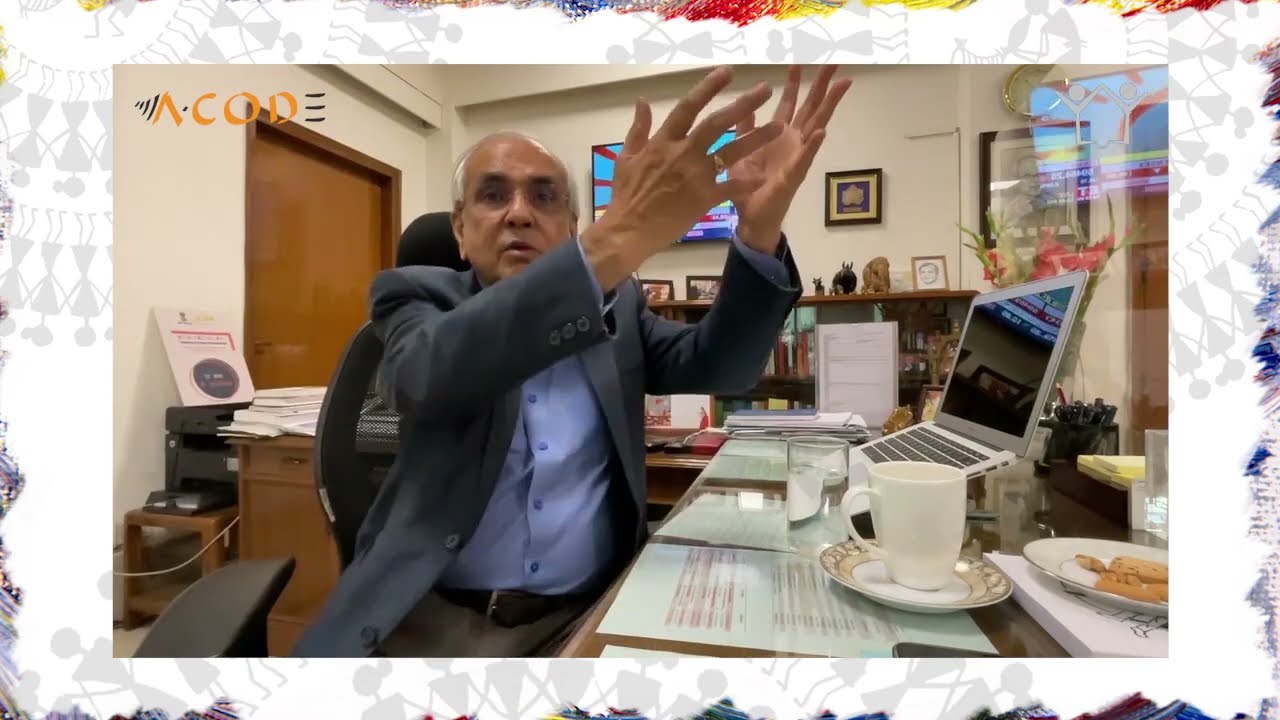
Rajiv Kumar congratulates the Digital Empowerment Foundation on completing 20 years and has a deep discussion about the future of digital in India.
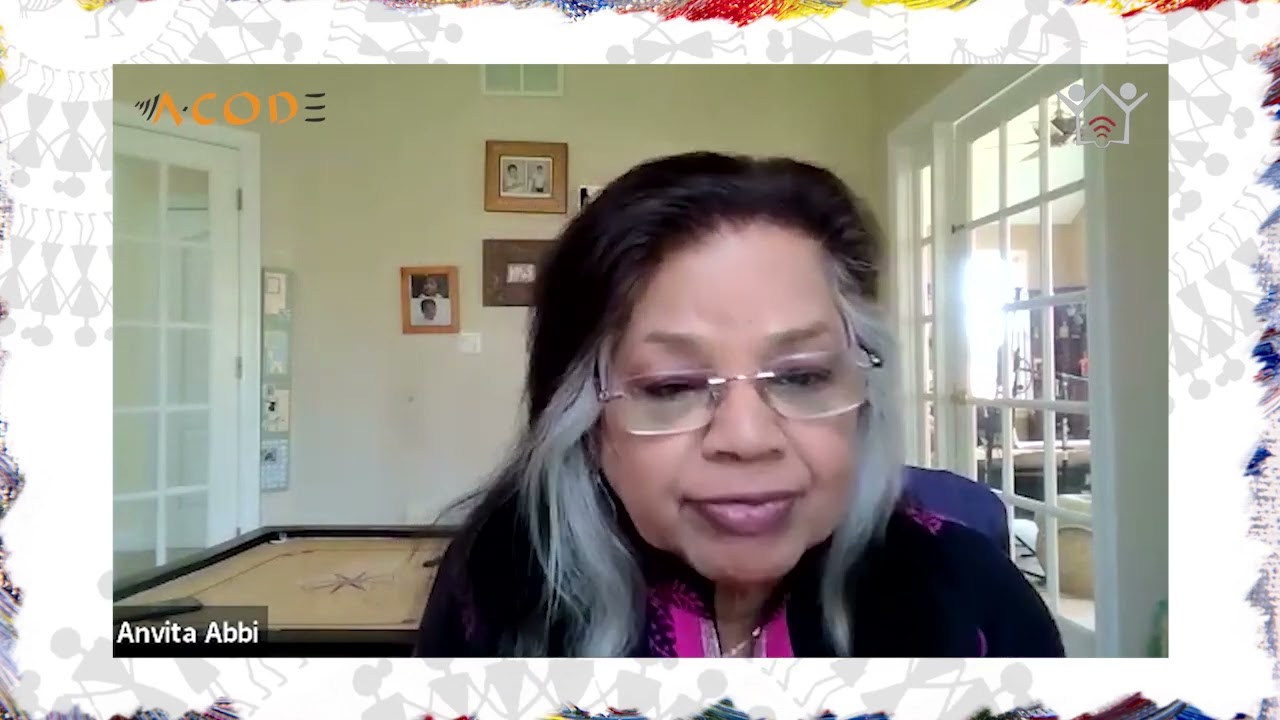
In the third episode of the A-CODE DEFDialogue Anvita Abbi speaks about endangered languages in India and how they can be and are being documented.
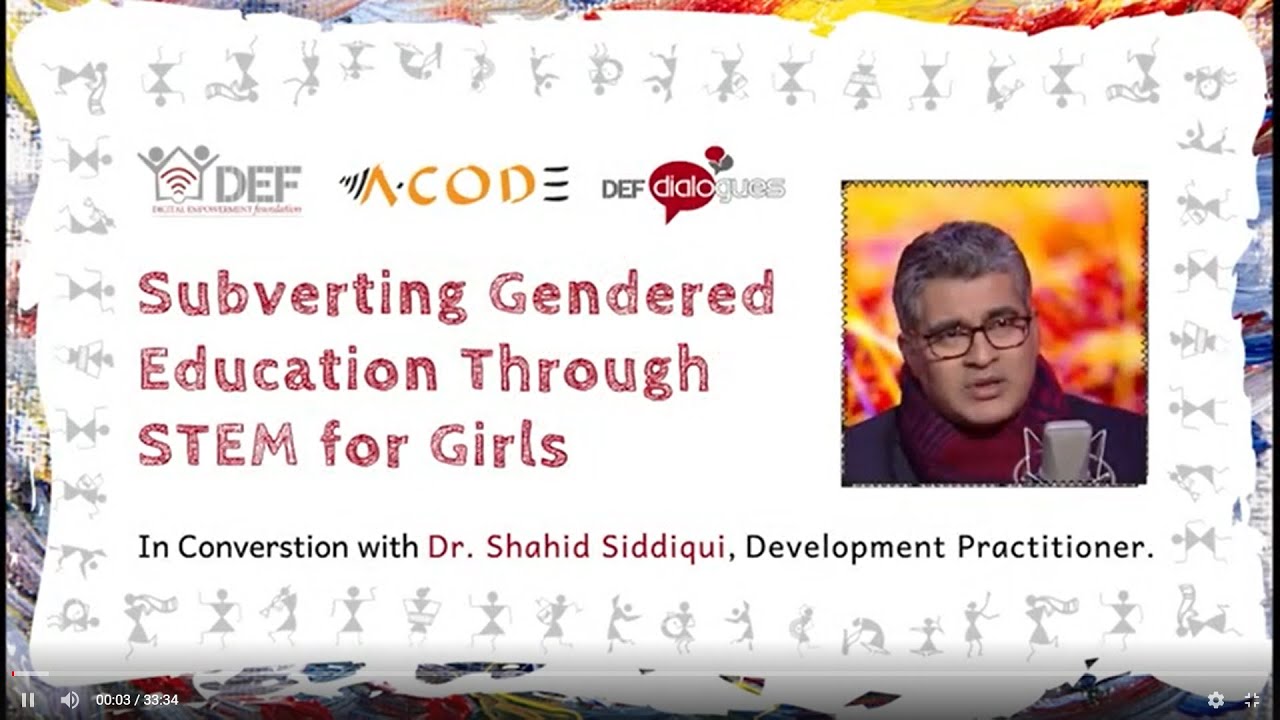
Hear from Dr. Shahid Siddiqui, Development Practitioner on “Subverting Gendered Education through STEM for Girls”.
The questions and formulations on data use, discourses and discussions on datafication in society, and the questions of data are currently limited to either security or privacy. The most unconnected people are facing several exclusions and data systems or AI/ML are increasing this. This research initiative is trying to look into data justice, talk about its intersections with social justice, and expand its concerns to the issues of the Global South. This series of conversations intent to have cross-cutting dialogues with people who make policies, developers who develop the systems, and the community impacted by the AI systems.
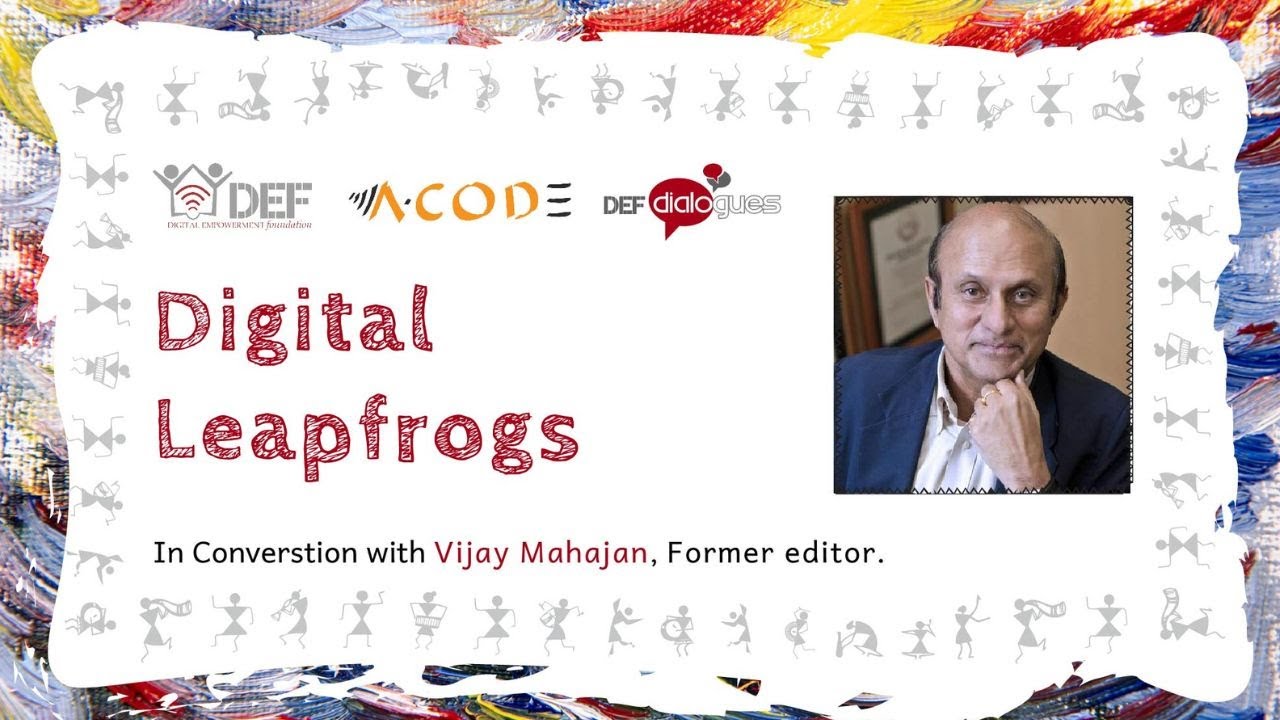
In a conversation with Mr. Vijay Mahajan about his book the “𝐃𝐢𝐠𝐢𝐭𝐚𝐥 𝐋𝐞𝐚𝐩𝐟𝐫𝐨𝐠𝐬”.